
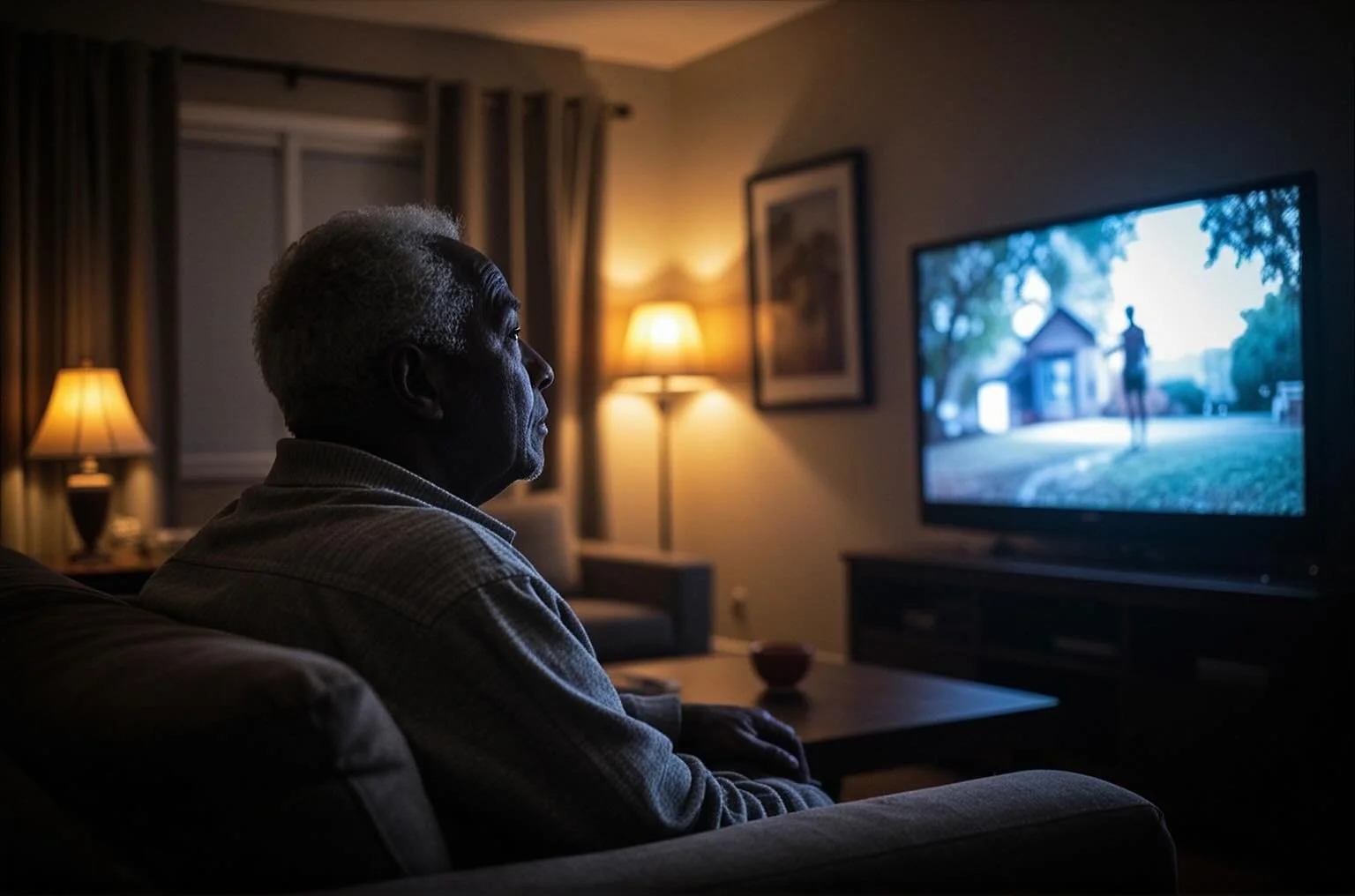
For many families, the goal is not just keeping a parent at home. It is helping them stay at home without feeling watched, managed, or stripped of control. Good support should reduce risk, not dignity.
Why privacy matters just as much as safety
When people talk about aging in place, they often focus on fall prevention, medication reminders, and emergency response. Those things matter. But privacy matters too, because it is closely tied to independence, confidence, and emotional wellbeing.
An older adult who feels constantly monitored may start changing normal behavior. They may avoid certain rooms, resent family involvement, or become less open about what they need. That can actually make caregiving harder. Protecting privacy is not about doing less. It is about choosing support that feels respectful enough to be sustainable.
This is especially important for adult children who are trying to help from a distance. The pressure to know everything can be intense when you are balancing work, kids, and concern about a parent living alone. But more information is not always better if getting it requires turning the home into a surveillance space.
How to protect senior privacy at home without leaving gaps in care
The best approach starts with a simple mindset shift. Instead of asking, "How can I keep eyes on everything?" ask, "What do I actually need to know to keep them safe?"
Most families do not need a minute-by-minute feed of daily life. They need reassurance that their loved one got out of bed, moved through the house normally, used the bathroom as expected, and did not show signs of a possible problem. That distinction matters because it opens the door to privacy-preserving support.
Start with consent, not just concern
Even when the intention is loving, making decisions for a parent without their input can feel deeply invasive. If your loved one is able to participate in the conversation, involve them early. Explain what worries you, ask what makes them uncomfortable, and talk through options together.
Some seniors are fine with a medication dispenser but strongly opposed to cameras. Others may accept motion-based monitoring but want bedrooms and bathrooms treated differently. Those preferences should shape the plan.
Consent is not a one-time checkbox, either. Needs change. Comfort levels change. A setup that feels acceptable after surgery may feel unnecessary six months later.
Choose tools that collect only what is needed
This is one of the most practical ways to protect privacy. Not every safety tool gathers the same kind of information.
Cameras and microphones capture highly personal details. They can show private routines, conversations, visitors, and moments of vulnerability. In some homes, families install them out of fear, then quickly realize they do not actually want to watch footage of a parent eating breakfast or pacing at night.
Passive sensors offer a different path. Instead of recording images or audio, they detect motion and patterns of activity. That means families can learn whether something changed without intruding on the details of everyday life. For many households, that is a better balance between visibility and respect.
This is why some caregivers prefer solutions like StackCare, which focus on routine changes and alerts rather than live surveillance. The point is not to collect more raw information. It is to surface the moments that may need attention while allowing normal life to stay private.
Be careful about where monitoring is placed
Even privacy-conscious tools need boundaries. Bedrooms and bathrooms are the most sensitive spaces in the home, and families should think carefully before placing any device there.
Sometimes there is a real reason to monitor activity near those areas, especially if nighttime falls or frequent bathroom trips are a concern. But there is a difference between understanding patterns and placing invasive devices in intimate spaces. Hallway motion, entry and exit timing, or general overnight activity may provide enough insight without crossing a line.
It depends on the situation. Someone recovering from a fall may need closer oversight for a while. Someone who is stable and independent may not.
Build privacy into everyday caregiving habits
Technology is only part of the picture. Families often chip away at privacy through small daily habits without realizing it.
If multiple siblings, neighbors, and aides are involved, decide who truly needs updates. A wide group text sharing every minor detail can feel disrespectful, even when everyone means well. Keep health and home information limited to the people directly responsible for care decisions.
The same goes for home access. Spare keys, door codes, and alarm information should be tightly controlled. Convenience matters, but so does the senior's right to know who can enter the home and when. If aides or service providers come in regularly, clear schedules and expectations help preserve a sense of order and control.
Respect closed doors and personal routines
This sounds obvious, but it often gets lost when caregiving stress rises. Knocking before entering a bedroom, asking before tidying personal papers, and not commenting on every household detail can go a long way.
Older adults notice when support starts to feel like inspection. They may not say it directly, but they feel it. Privacy at home is not only about data. It is also about having space to live without constant commentary.
Avoid turning updates into surveillance
There is a difference between reassurance and overchecking. If a monitoring system sends helpful summaries, use them as intended. Looking for patterns and changes is useful. Obsessively reviewing every movement is not.
Families under stress can slip into hypervigilance, especially after a hospitalization, fall, or frightening near miss. That reaction is understandable. But long term, it is healthier to rely on meaningful alerts than to treat every quiet hour as a mystery to solve.
Know the trade-offs before choosing a solution
No setup is perfect for every family. Wearables can provide valuable protection, but many older adults forget to charge them or stop wearing them. Cameras may offer visual confirmation, but they often create discomfort and resistance. In-person visits are personal and reassuring, but they are not always realistic for long-distance caregivers or busy adult children.
That is why the best answer is usually not the most extreme one. It is the one your loved one will actually live with.
When evaluating any option, ask a few grounded questions. Does it preserve dignity? Does it reduce uncertainty in a meaningful way? Will your parent accept it in daily life? Does it tell you when something changes, or does it simply flood you with data?
Those questions help separate useful support from intrusive noise.
A good privacy plan should still help you act quickly
Protecting privacy does not mean staying in the dark. It means getting the right level of visibility.
For example, if your parent usually starts moving around at 7 a.m. and one morning there is no activity, that may warrant a check-in. If bathroom activity suddenly increases overnight for several days, that could point to a health issue worth addressing. If movement drops noticeably after a medication change, that is useful to know.
These kinds of insights support better care without requiring video footage or constant calls. They help families respond to change instead of hovering over normal life.
That balance matters because seniors do not just want safety. Most want autonomy, familiar routines, and the comfort of their own home. Family caregivers want peace of mind without feeling like they are invading the person they are trying to protect.
How to talk about privacy when emotions are high
Few families have this conversation at the perfect moment. It usually happens after a scare, during a health decline, or in the middle of a disagreement about what is "necessary." In those moments, it helps to stay focused on shared goals.
Try framing the conversation around independence, not restriction. Say that you want to support them living at home longer. Explain that the goal is to avoid intrusive options, not impose them. Ask what would help them feel both safe and respected.
That tone can change everything. People are more open to support when they believe their dignity is still part of the plan.
The best home safety setup is not the one that gathers the most information. It is the one that helps your loved one stay secure, comfortable, and themselves in the place they know best.