
Behavior Changes in Elderly Living Alone

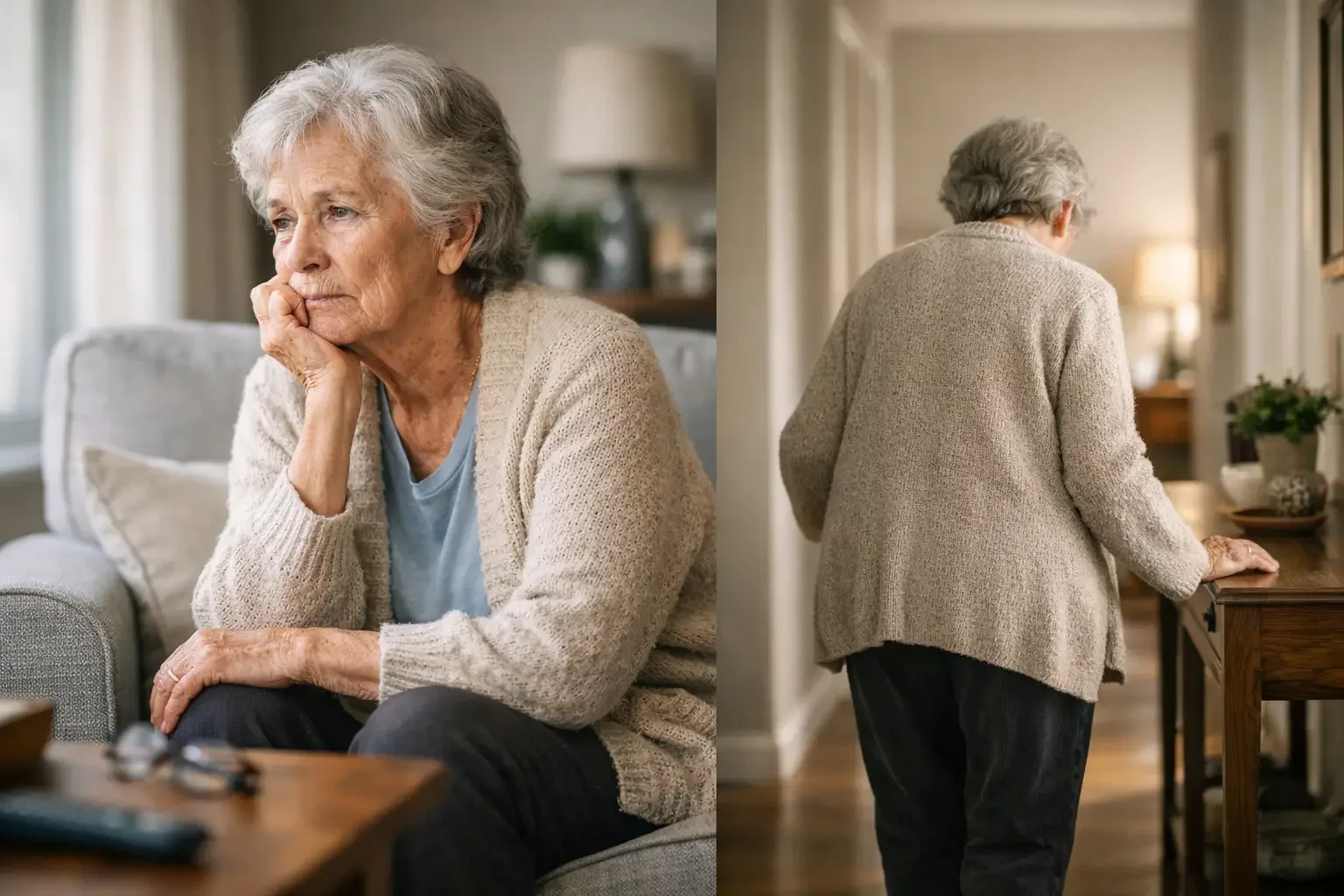
Some changes happen so gradually you only notice them in hindsight. A parent who always started the day by 7 is suddenly sleeping late. The kitchen stays untouched longer than usual. Phone calls feel a little more confused, a little less like themselves. These behavior changes in elderly living alone can be easy to explain away at first, especially when everyone wants to believe things are fine.

But small shifts in routine often matter. For older adults who live independently, behavior is one of the clearest windows into wellbeing. A change in sleep, movement, bathroom habits, or daily activity does not always mean there is a crisis. It may be temporary, medical, emotional, or simply part of aging. Still, when patterns change, families deserve to know so they can check in sooner rather than later.

Why behavior changes in elderly living alone matter

When an older adult lives alone, there is often no one nearby to notice subtle warning signs in real time. That is what makes routine so valuable. Everyday habits like waking up, preparing meals, moving through the home, and going to bed tend to follow familiar rhythms. When those rhythms shift, it can point to something worth paying attention to.

Sometimes the reason is relatively straightforward. A poor night of sleep can lead to extra napping and less activity the next day. Bad weather can keep someone indoors. A minor illness can change energy levels for a few days. In other cases, a pattern change may be tied to a medication issue, increased fall risk, dehydration, depression, memory decline, infection, or worsening mobility.

The key is not to panic over one unusual day. It is to notice what is different, look at whether it continues, and respond with curiosity instead of alarm.

Common behavior changes families should watch for

One of the most meaningful changes is reduced movement around the home. If a parent who usually moves between the bedroom, bathroom, kitchen, and living room starts spending long stretches in one place, it can suggest fatigue, pain, illness, fear of falling, or a recent injury they have not mentioned.

Changes in sleep can also tell an important story. Sleeping much more than usual, waking frequently at night, or being active at odd hours may reflect anxiety, medication side effects, cognitive changes, or unmet physical needs. Nighttime wandering or repeated overnight bathroom trips can be especially worth noting because they may increase fall risk.

Eating routines often change before families realize there is a broader problem. Less time in the kitchen, skipped meals, or signs that someone is no longer preparing food regularly can point to appetite loss, depression, difficulty standing, trouble remembering meals, or challenges managing groceries.

Bathroom habits are another area families often worry about, and for good reason. More frequent bathroom visits may suggest a urinary tract infection, diabetes issues, or medication changes. Fewer visits than expected can sometimes raise concerns about dehydration. These shifts are personal, but they can be clinically meaningful.

You may also notice changes in communication and social behavior. A loved one who once answered every call might stop picking up. Someone who was chatty may sound withdrawn, confused, or irritated. This does not automatically signal cognitive decline. Loneliness, hearing loss, poor sleep, grief, and stress can all affect how a person engages.

What can cause sudden or gradual changes

Not all behavior changes in elderly living alone come from the same place. That is why context matters.

Physical health is one common driver. Infections, pain, medication interactions, dehydration, constipation, and poor sleep can all affect daily patterns quickly. A urinary tract infection, for example, may show up as confusion, restlessness, or extra bathroom activity before a family ever hears about discomfort.

Mental and emotional health can be just as significant. Grief after losing a friend, anxiety about driving, or the weight of isolation can change how a person moves through the day. Depression in older adults does not always look like sadness. Sometimes it looks like oversleeping, low appetite, low energy, or loss of interest in normal routines.

Cognitive changes are another possibility, but they should be approached carefully. Forgetfulness, repeated confusion, disrupted day-night patterns, or missed daily tasks can sometimes reflect early dementia or mild cognitive impairment. They can also be caused by stress, hearing problems, medication issues, or temporary illness. It depends on the pattern and whether it continues.

Environment plays a role too. A senior may move less because stairs feel harder, the home is colder, or they are worried about falling after a close call. Even something as simple as recovering from a minor virus can lead to a week of unusual behavior.

When should families worry?

The hardest part for many caregivers is knowing when a change crosses the line from understandable to concerning. There is no single rule, but duration, severity, and clustering all matter.

A one-day change is often less concerning than a new pattern that lasts several days or keeps repeating. If your parent sleeps in once, that may not mean much. If they suddenly start sleeping most of the day, skipping meals, and moving far less than usual, that combination deserves attention.

Sudden changes generally call for faster action than gradual ones. A sharp drop in movement, new confusion, a major shift in bathroom activity, or unusual nighttime activity can signal an urgent health issue. Gradual changes still matter, but they may point to a slower-developing problem that is easier to miss.

Trust your instinct when something feels off, especially if the change does not fit your loved one’s normal habits. Family caregivers know routines better than they realize.

How to respond without taking away independence

Many adult children hesitate to bring up changes because they do not want to sound controlling or start an argument. That hesitation makes sense. Most older adults want to keep living on their own terms, and many are sensitive to anything that feels like surveillance.

A better approach is to focus on support, not control. Instead of saying, "You are not taking care of yourself," try, "I have noticed you seem more tired lately. How have you been feeling?" The goal is to start a conversation that preserves dignity.

It also helps to ask practical questions. Are they sleeping well? Eating normally? Feeling steady on their feet? Have there been any medication changes? Do they feel more anxious at night? Questions like these can uncover issues that might never come up in a casual phone call.

If changes continue, involve the right support early. That may mean a primary care visit, a medication review, help with meals, physical therapy, or more regular family check-ins. The earlier a problem is identified, the more options families usually have.

How passive monitoring helps families spot behavior changes earlier

The challenge for many caregivers is not knowing what to ask because they do not have clear visibility into daily life. Weekly calls and occasional visits only show part of the picture. A parent can sound perfectly fine on the phone while still sleeping poorly, moving less, or struggling overnight.

That is where passive in-home monitoring can be especially helpful. Instead of asking a senior to wear a device or accept cameras in the home, discreet sensors can track general activity patterns and identify meaningful changes in routine. Families can then receive simple alerts and summaries that point to what is different, such as less movement, unusual sleep patterns, or increased bathroom activity.

Used well, this kind of technology supports independence rather than replacing it. It does not require constant check-ins or force an older adult to change how they live. It gives families a clearer sense of whether daily life still looks normal, while respecting privacy. For many caregivers, that means less guessing and fewer late realizations.

This is also where a solution like StackCare fits naturally for families who want insight without cameras, microphones, or wearables. The value is not raw data. It is knowing when a routine changes enough to deserve attention.

A change is not always a crisis, but it is always information

One of the most helpful mindset shifts for caregivers is to stop thinking in extremes. A behavior change does not automatically mean something is seriously wrong. It also should not be ignored just because it seems small. Often, it is simply information - a clue that something in your loved one’s world has changed.

When older adults live alone, patterns matter because they show what words sometimes do not. If your parent is moving less, sleeping differently, or acting unlike themselves, you do not need to jump to the worst-case scenario. You do need a way to notice the change, understand the context, and respond with care.

The goal is not to interrupt independence. It is to protect it for as long as possible, with the kind of support that sees problems early and treats dignity as part of safety.

Best Fall Detection Alternative for Seniors

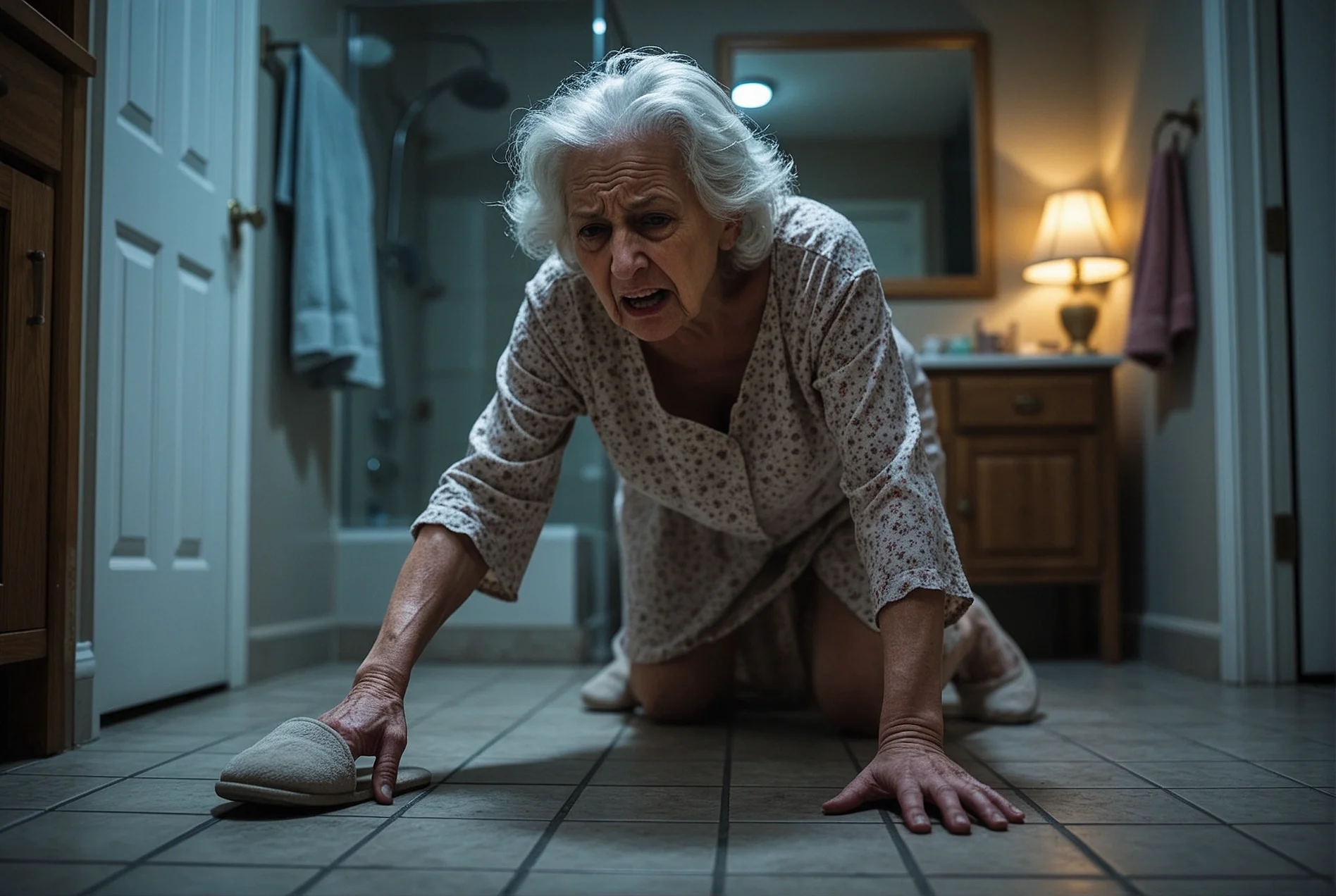
A late-night fall is every family caregiver’s fear. But for many older adults, the bigger problem starts before a fall ever happens - slower walking, restless sleep, more bathroom trips, or long stretches of inactivity that no one notices until something serious occurs.

That is why many families start looking for a fall detection alternative for seniors instead of relying on a device that only responds after the emergency. Traditional fall detection can help in some situations, but it has real limits. If your parent forgets to wear the device, takes it off to charge it, or the fall is not detected correctly, that protection can disappear fast.

Why families look beyond standard fall detection

Most fall detection tools are built around a single moment. They are designed to recognize a sudden drop or impact and then trigger an alert. That sounds reassuring, and sometimes it is. But caregiving rarely comes down to one dramatic event.

What adult children usually worry about is the pattern behind the event. Is Mom getting out of bed later than usual? Is Dad moving around the house less this week? Did someone go into the bathroom three times overnight when that is not normal for them? These changes often tell you more about risk than a wearable alert button ever could.

There is also the human side of it. Many seniors do not like wearables. Some find them uncomfortable. Some feel embarrassed by them. Others simply forget them on the nightstand or leave them charging in another room. A safety tool only works when it fits naturally into daily life.

That is why the conversation has shifted. Families are no longer asking only, "How will I know if my parent falls?" They are also asking, "How will I know if something starts changing before a fall happens?"

What makes a good fall detection alternative for seniors?

A strong fall detection alternative for seniors does not just wait for impact. It helps families spot meaningful changes in routine, mobility, and activity level without creating more work or invading privacy.

In practice, that usually means passive in-home monitoring. Instead of asking an older adult to press a button, wear a pendant, or remember another device, passive systems use discreet sensors placed around the home. These sensors can show whether someone is getting up, moving between rooms, sleeping normally, or spending an unusual amount of time in one place.

That information matters because falls are often connected to broader changes. A person who is moving less may be getting weaker. A person who is waking frequently at night may be at higher risk when walking in the dark. A person who suddenly stops following their usual routine may need help for a reason that has nothing to do with a fall, but is still urgent.

The best alternatives also respect dignity. For many families, cameras feel like too much. Audio monitoring can feel even worse. Older adults who want to remain independent often accept support more readily when it does not feel like surveillance.

The trade-offs: wearables vs passive home monitoring

Wearable fall detectors are not useless. For some seniors, especially those who are comfortable with technology and willing to wear a device consistently, they can be a valuable layer of protection. If someone lives alone, has a history of falls, and reliably keeps the device on, it may help in an emergency.

But there are trade-offs. Wearables depend on compliance. They need charging. They can be forgotten, misplaced, or intentionally removed. They also tend to focus on one event rather than the warning signs leading up to it.

Passive home monitoring works differently. It does not ask the senior to do anything. It can monitor day and night, whether the person remembers it or not. And instead of giving families a stream of raw data to interpret, stronger systems look for deviations from normal behavior and surface the changes that actually matter.

That said, passive monitoring has its own boundaries. It may tell you that your parent has not left the bedroom, has not followed their normal morning routine, or is spending an unusual amount of time in the bathroom. It may not always label the event as a "fall" with certainty. What it gives you instead is broader awareness - often sooner, and often in a way that reflects real life better than a one-time alert.

Why earlier signals matter more than families expect

When families first start searching for safety technology, they often focus on the worst-case scenario. That is understandable. The fear is usually specific: What if Dad falls and no one knows? What if Mom cannot get up?

But the day-to-day caregiving burden often comes from uncertainty, not just crisis. You may be managing your own job, your kids, and a parent who says they are "fine" every time you call. You are not looking for more information to sort through. You are looking for confidence that you will know when something changes.

Earlier signals help because they turn vague worry into something actionable. A change in walking patterns, overnight activity, or time spent in bed can point to weakness, illness, medication issues, dehydration, or increasing fall risk. In many cases, that gives families a chance to step in before the situation becomes an emergency.

This is especially important for seniors recovering from surgery, living with Parkinson’s disease, managing balance issues, or aging in place after a previous fall. In those situations, the goal is not only emergency response. The goal is reducing the chance that the emergency happens at all.

Privacy is not a small detail

For older adults, safety and independence are deeply connected. The more a solution feels controlling or invasive, the more likely it is to be rejected.

That is one reason many families prefer sensor-based monitoring over cameras or microphones. Motion sensors can provide meaningful insight into daily habits without recording private moments. You can know that your mother got out of bed, moved to the kitchen, and returned to the bedroom without watching her do any of it.

This matters emotionally, not just practically. A parent who feels respected is often more open to support. That can make the difference between a solution that lasts and one that gets unplugged after a week.

What to look for when choosing an alternative

If you are comparing options, pay attention to how the system handles real caregiving life. Does it simply send activity data, or does it identify changes from normal patterns? Does it notify you quickly when something seems off? Does it work without requiring your parent to remember a device? And does it preserve privacy in a way your family can feel good about?

It is also worth considering who the product is really designed for. Some systems are built for clinicians or facility staff and can feel overwhelming for families. Others are made for adult children who need simple alerts and clear summaries, not a complicated dashboard.

A useful fall detection alternative for seniors should reduce mental load, not add to it. If it leaves you staring at charts trying to decide whether something is wrong, it is not solving the real problem.

A smarter way to support aging at home

For many families, the most helpful technology is not the one that reacts after a fall. It is the one that helps them notice when life at home is changing.

That is where passive monitoring stands apart. Systems like StackCare use discreet in-home sensors and behavioral insights to show whether a loved one is following normal routines, moving less, sleeping differently, or showing other patterns that may signal concern. The result is not constant surveillance. It is a quieter kind of reassurance - knowing you will hear about meaningful changes without having to check in all day or ask your parent to wear something they may not want.

If you are caring for an older adult who lives alone, it helps to think bigger than fall detection. The right support does more than catch a single event. It gives you a clearer picture of how your loved one is really doing, while letting them keep the independence that matters so much.

How to Know If Elderly Parent Is OK

That 8:17 a.m. text you usually get never came. You tell yourself they probably slept in, left the phone in another room, or got busy. But if you are trying to figure out how to know if elderly parent is ok, you also know how quickly a small silence can turn into a long, stressful day.

For many families, the hardest part is not a clear emergency. It is the uncertainty in between. A parent may sound fine on the phone, insist they are managing well, and still be missing meals, moving less, sleeping poorly, or struggling with bathroom trips at night. If you live far away or juggle work, kids, and caregiving, it is hard to tell the difference between normal independence and a quiet change that needs attention.

How to know if elderly parent is ok day to day

The most reliable answer is not one dramatic sign. It is a pattern. When an older adult is doing well at home, daily routines tend to have a rhythm. They get out of bed around the same time, spend time in the kitchen, use the bathroom normally, move through the home with some regularity, and settle in for sleep at a familiar hour. That rhythm will vary from person to person, but consistency matters.

What families often miss is that decline usually shows up as subtle changes first. A parent may still say, "I'm fine," because they are trying to protect their independence, avoid worrying you, or because they do not fully notice the change themselves. That is why casual check-ins alone can leave gaps.

If you want a clearer picture, pay attention to whether your parent is eating, sleeping, moving, and using the bathroom in ways that seem typical for them. Those basic activities often reveal more than a conversation does.

The signs that deserve a closer look

A few missed calls are not automatically a crisis. But repeated changes in routine deserve attention. If your parent is sleeping much later than usual, wandering more at night, spending unusually long periods in the bathroom, or barely entering the kitchen, something may be off. Reduced movement can point to illness, pain, dizziness, depression, or fear of falling. Increased nighttime bathroom activity may signal a urinary issue, medication side effects, or another health concern.

You may also notice emotional shifts. A parent who used to enjoy talking may become shorter, more forgetful, or easier to frustrate. Their home may sound quieter in the background. They may stop mentioning errands, hobbies, or neighbors. None of these signs proves a serious problem on its own, but together they can tell you that daily life is getting harder.

Why phone calls and visits are not always enough

Most adult children start with the same approach because it is loving and familiar. You call, text, visit when you can, and ask, "How are you doing?" The problem is that this method depends on timing and honesty. If you call during a good moment, you may hear a confident voice and miss the harder parts of the day. If your parent is private, proud, or worried about losing autonomy, they may minimize what is happening.

Even in-person visits have limits. Many older adults tidy up before family arrives, put on a brave face, and save their energy for that window of time. You may leave feeling reassured, only to wonder a day later whether you saw the full picture.

That does not mean calls and visits are not valuable. They are. They help maintain trust and emotional connection. But when your question is not just "Did we talk today?" and is really "Are they functioning normally at home?" you usually need a more consistent view.

A better way to assess well-being at home

The most practical way to know whether an elderly parent is okay is to establish a baseline and watch for changes. In caregiving, baseline simply means what normal looks like for your parent. What time do they usually wake up? How often do they go into the kitchen? Are they active throughout the day or mostly in one room? Do they wake often at night or sleep steadily?

Once you understand that pattern, changes become more meaningful. A single slow morning may mean nothing. Several days of reduced activity may mean a lot. The same is true for sudden spikes in bathroom visits, long periods with no motion, or disrupted sleep.

This is where passive in-home monitoring can make caregiving feel more manageable. Instead of relying on your parent to remember a wearable, charge a device, or answer every check-in, discreet sensors can track normal movement patterns in the home and alert you when something changes. You are not watching them. You are being notified if their routine looks different in ways that may matter.

For families who feel uneasy about cameras or microphones, that distinction matters. Privacy is not a small concern. Many seniors want support, but they do not want to feel observed. A system that looks for changes in activity, rather than recording private moments, can help preserve dignity while still giving families real visibility.

What meaningful monitoring actually tells you

Good monitoring does not overwhelm you with raw data. It should answer the real caregiving questions. Did Mom get out of bed this morning? Is Dad moving around less than usual? Has nighttime bathroom activity increased? Has the kitchen gone unused all day? Did something about today break from their normal pattern?

That kind of insight is more useful than constant checking because it helps you act on changes, not just stare at information. It also reduces the emotional burden of guessing. You do not have to wonder whether silence means rest, distraction, or trouble.

For example, if your parent usually starts moving around the house by 7 a.m. and there is no activity by 10 a.m., that may justify a call. If they are spending far more time in the bathroom over several days, that may prompt a conversation about hydration, medications, or a doctor visit. If movement drops significantly after a recent fall or illness, you can respond sooner rather than later.

How to talk with a parent about safety without taking over

This part can be harder than the technology. Many adult children worry that bringing up monitoring will sound controlling. The key is to frame it around support, not surveillance.

Start with what you are feeling and what you want for them. You might say that you want them to stay in their own home as long as possible, and that your biggest goal is to worry less without interrupting their day. Keep the focus on independence. Most parents respond better when the conversation is about staying home safely, not proving whether they can manage alone.

Be honest about trade-offs. No system replaces human relationships, and no technology can interpret every situation perfectly. A change in routine may turn out to be harmless. But the benefit is that unusual patterns do not go unnoticed. For many families, that trade-off is worth it.

If privacy is their main objection, explain exactly what is and is not being monitored. Many people relax once they understand there are no cameras, no microphones, and nothing to wear. That level of clarity helps preserve trust.

When extra support may be needed

Sometimes the answer to how to know if elderly parent is ok is that they are mostly okay, but not as steady as they used to be. That middle ground is common. They may not need a move, constant care, or dramatic intervention. They may just need better visibility, a medication review, some home adjustments, or more regular support.

Still, there are times when waiting is risky. Frequent falls, long unexplained periods of inactivity, confusion that is getting worse, or major changes in eating and sleeping should not be brushed off. Those signs deserve prompt attention.

For families trying to balance respect and responsibility, the goal is not to take control at the first sign of change. It is to catch problems early enough that your parent can stay safer, longer, in the place they know best.

That is why tools like StackCare resonate with so many caregivers. They are built for the real question families ask every day: not "Can I watch everything?" but "Can I know enough to help when it matters?"

If you are carrying that low-grade worry in the background of every workday, school pickup, or bedtime routine, you are not overreacting. You are trying to care well. The right support does not replace your instincts. It gives them something solid to stand on.