Safeguarding Seniors: How Proactive Measures in the Bathroom Can Prevent Emergencies

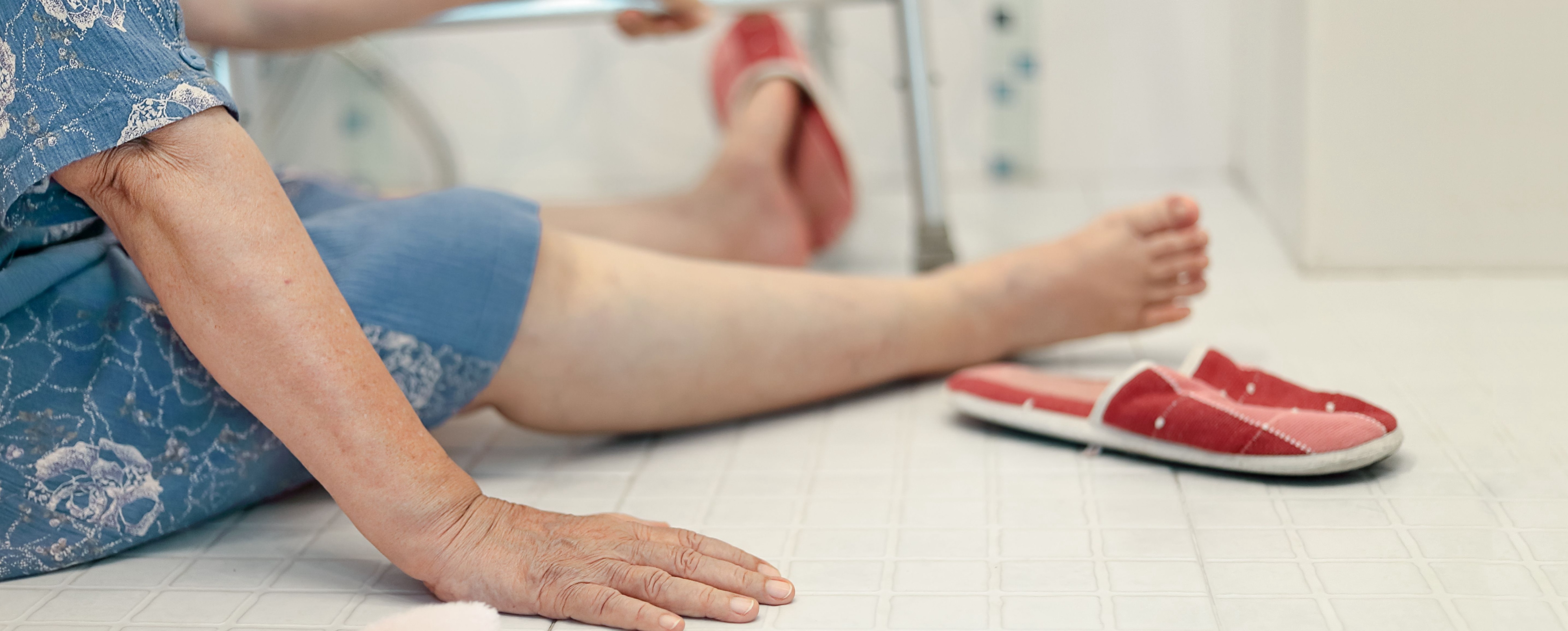
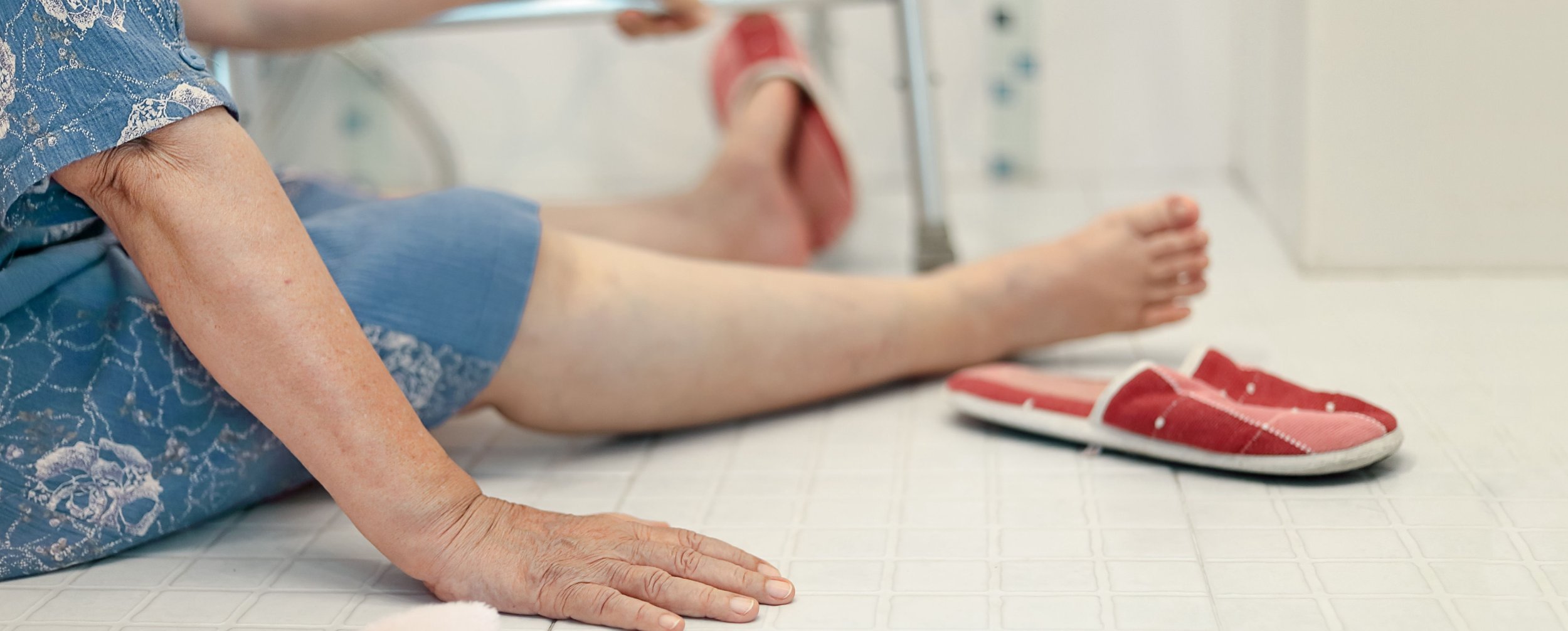
Did you know that the bathroom is one of the most high-risk areas for falls, especially among seniors? Startling statistics from the CDC¹ reveal that over 200,000 seniors end up in emergency rooms each year due to bathroom-related injuries, and a staggering 80 percent of falls among older adults occur right in the bathroom.²

Experts highlight several reasons why bathrooms are risky, including their wet (slippery!) and hard surfaces, the rush to reach the bathroom, and environmental factors such as bathmats (trip hazards!), which further elevate the risk of severe fall-related injuries.³

Moreover, seniors' physical conditions such as an unsteady gait, and weaker muscles and bones, coupled with medications affecting their body responses, increase the likelihood of accidents in this area.

However, should an accident happen, prompt assistance can help avoid a nighttime fall turning into an emergency and, in any event, mitigate the risk of discomfort from laying on the floor for an extended period of time. Just imagine how unpleasant it must be for anyone to slip in the shower and lay on the ground helpless for many hours!

StackCare stands as a valuable tool to promptly detect potential bathroom falls using discreet infrared motion sensors, without using any invasive cameras or microphones. This innovative system triggers an alert for prolonged bathroom stays or lack of activity, offering customizable settings for individual routines. Additionally, StackCare features a Help Button for immediate alerts to families and caregivers, providing timely aid without always necessitating a 911 call.

Our actionable guide incorporates the installation of StackCare as a key strategy to ensure the safety of your loved ones. Other measures include:

  • Installation of grab bars for essential support near toilets, showers, and bathtubs
  • Use of non-slip surfaces or adhesive strips to prevent accidents in wet areas
  • Accessible storage solutions to prevent excessive bending or stretching
  • Adequate lighting and nightlights for visibility
  • Consideration of raised toilet seats for ease and reduced strain on joints
  • Regular maintenance, including slip-resistant flooring and assistive devices like shower chairs

These measures, coupled with open discussions about bathroom safety with elderly family members can substantially minimize fall risks, ensuring a secure environment for our seniors and loved ones.

Let's prioritize spreading awareness and advocating for bathroom safety together! 🚿🛁✨

#BathroomSafety #FallPrevention #SeniorHealth #SafetyMatters


References:
¹CDC: https://www.cdc.gov/injury/features/older-adult-falls/index.html
²PubMed: https://pubmed.ncbi.nlm.nih.gov/21659980/
³PMC: https://www.ncbi.nlm.nih.gov/pmc/articles/PMC3591732/

A Game-Changer for Seniors Aging in Place


As our loved ones age, the desire to stay in their own homes, surrounded by familiar environments and cherished memories, becomes increasingly important. Aging in place is a choice that many seniors make, it’s natural to want to remain in your home with a sense of independence (that may be real or perceived), but for families it often comes with concerns about their loved one’s safety, health, and well-being. In recent years, technology has introduced a revolutionary solution for seniors - passive monitoring. This innovative approach is changing the game, offering both seniors the ability to continue living independently and their families peace of mind. In this blog, we'll explore why passive monitoring is such a great solution for seniors aging in place.

1. Why “Passive”?
Passive monitoring systems operate behind the scenes, without imposing on a senior's daily life. There is nothing the senior needs to do except carry on living their life and continuing with their preferred routines. These systems use a network of sensors to monitor various aspects of the senior's living environment, such as movement, temperature, and door openings. If any atypical irregularities arise, the system can calculate in fractions of a second whether there is a potential issue and alert caregivers or family members discreetly, allowing for early intervention.

2. Fall Detection
Falls are a major concern for seniors, as they can lead to serious injuries. Passive monitoring can detect potential falls especially by considering lack of motion and notify caregivers or family members accordingly. This rapid response can be a life-saving feature, ensuring that help arrives promptly.

3. Enhanced Security
Passive monitoring extends beyond health-related concerns. StackCare for example also offers a security feature whereby the system detects intruders when there is nobody home, sending out alerts to the app users. This security feature not only provides seniors with peace of mind when they’re away, but supports seniors acceptance of technology in the home.

4. Environmental Monitoring
The system can monitor environmental factors like temperature and humidity levels. It can detect extreme temperatures, helping seniors avoid health risks associated with extreme heat or cold. This is especially crucial for seniors with respiratory conditions and those experiencing cognitive decline who may get confused.

5. Independence and Privacy
Passive monitoring promotes independence by allowing seniors to live in their homes without feeling constantly watched or burdened by intrusive technology. This privacy is a significant advantage compared to more intrusive forms of monitoring, such as constant video surveillance.

6. Peace of Mind for Families
For family members and caregivers, passive monitoring provides real-time insights into a senior's well-being and living conditions, even from a distance. This invaluable peace of mind means they can maintain a watchful eye over their loved ones without being physically present.

7. Cost-Effective Solution
Compared to the expenses of assisted living facilities or full-time caregivers, passive monitoring is a cost-effective solution. It allows seniors to age in place comfortably and safely without incurring substantial additional costs.

Passive monitoring is a revolutionary and non-invasive solution that is transforming the way seniors age in place. With its ability to provide unobtrusive safety, fall detection, security features, environmental monitoring and more, it offers a holistic approach to aging in place. By maintaining independence, privacy, and peace of mind for both seniors and their families, passive monitoring has quickly become a game-changer in senior care. It's a solution that not only empowers seniors to live on their terms but also reassures their loved ones that they can do so safely and securely.

----------

Thanks to its reliability, simplicity, and affordability, StackCare is one of the most popular passive monitoring solutions on the market. Self-installation is easy; the sensors are small and discreet, and simply attach to walls with command strips. StackCare provides the hardware, so no upfront investment is required, just a monthly subscription fee and no-long term commitment.

For more information contact info@stack.care

The Advantages of Passive Monitoring Over Wearable Technology in Senior Care

Mom's idea of technology is listening to her favorite radio station…

As wearable technology becomes increasingly prevalent, advertisements promoting FitBits and Apple Watches captivate the attention of younger consumers. These devices promise convenience in tracking health and wellness metrics. However, for seniors who face heightened health risks, a fitness wristband is far from an ideal solution.

"I've fallen and I can't get up!" – the iconic LifeAlert catchphrase still resonates with many. LifeAlert was revolutionary in its time, offering a lifeline to seniors in emergencies with the press of a button. Surprisingly, despite significant technological advances in recent years, seniors and their families continue to rely on this now antiquated technology. Never mind that statistically only about 1-in-7 owners actually wear their pendant daily; and most falls occur at night, so who puts on their pendant before heading to the bathroom at 1.00am?

Apropos falls occurring at night, even in the unlikely event Mom agrees to a baby cam or webcam in her bedroom (and I for one would prefer to retain a little dignity in my senior years), who’s going to stay up watching mom all night?

In a world dominated by cutting-edge innovations such as holograms and motion-activated thermostats, using dated technology for senior care appears almost naive. Passive remote monitoring, a technology employing non-invasive sensors combined with data science, emerges as a superior alternative. It requires no wearables and even surpasses the capabilities of modern fitness trackers. Passive monitoring effectively tracks motion (and lack of motion!), sleep hours, bathroom activity, kitchen activity and more, offering both indication of health and wellness decline and potential fall alerts without requiring seniors to wear or activate any device.

Here are three compelling reasons why passive monitoring outshines wearable technology in senior care both at home and in retirement communities:

Non-Invasiveness of Passive Monitoring

Wearing a conspicuous alert button around one's neck daily not only carries aesthetic drawbacks but also serves as a constant reminder of limited abilities. Such devices can be clunky, burdensome, and uncomfortable for seniors so no surprise that we’ve even heard the pendants called “death jewelry” - Seniors retain their sense of humor, however dark. In contrast, passive monitoring utilizes discreet wall-mounted devices, adhering to the "set it and forget it" principle that defines successful cutting-edge technology. It empowers seniors to relish their quality of life without fostering a perceived dependence on caregivers.

The Reliability Advantage of Passive Monitoring

Remembering to grab your house keys before leaving home is a challenge in itself, let alone ensuring the consistent wear of unfamiliar technology. In life-threatening situations, it is crucial for the device to be reliable, rather than a wristband or necklace that can easily slip off, break upon falling, or become damaged in the shower. Furthermore, if a person is rendered unconscious or injured due to a fall or health event, wearable technology becomes ineffectual. Passive monitoring, conversely, utilizes technology integrated within a senior's home, eliminating the need for seniors to keep track of a device that could be easily lost or forgotten.

Proactive vs. Reactive: The Passive Monitoring Advantage

Wearable alert systems primarily operate reactively, responding to events after they occur. In contrast, passive monitoring takes a dual approach by not only notifying caregivers after an incident but also proactively highlighting deteriorating patterns to prevent such incidents from happening in the first place. By continuously monitoring indicators such as bathroom usage, sleep hours, activity patterns and kitchen usage, passive monitoring can detect changes that indicate an impending emergency. Timely medical intervention not only leads to better outcomes but can even potentially avert major health crises.

In conclusion, while wearable technology undoubtedly still holds a place in the tech world, seniors benefit immensely from the efficiency and reliability of passive monitoring. By eliminating the need for wearables, this technology proves itself as a far more effective solution for senior care, helping to safeguard the well-being of older adults.